


Unpacking AI Anxiety: Analyzing the Recent Surge in American Concerns
The article examines the increasing concerns among Americans regarding the pervasive role of AI in their lives, as evidenced by a 2023 Pew Research Center survey showing a marked rise in apprehension. It delves into the psychological and societal factors that shape attitudes towards AI and the mechanisms that foster or alleviate anxiety.

OT Data
Operational Technology (OT) Data By Marc Petock Vice President, Chief Marketing & Communications Officer Lynxspring Data has been a cornerstone of business since the early
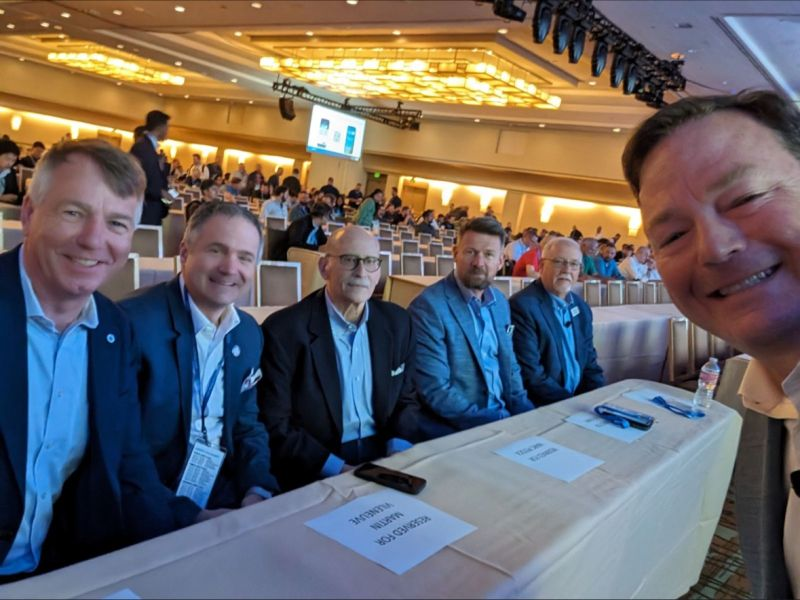
A Successful Niagara Summit #NS2024
Although we were unable to attend, we have been monitoring our sponsors’ activity on LinkedIn It looks like we missed a lot. Here is a
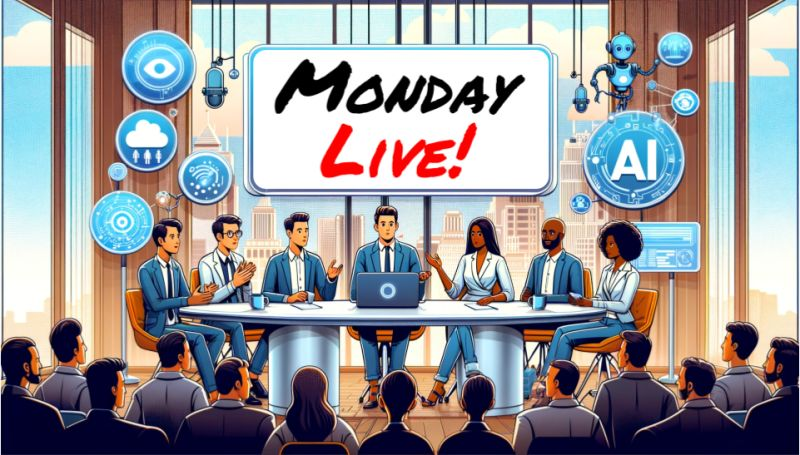
How AI vendors deal with go-to-market and support strategies.
This week, we continued discussing AI vendors working in the smart building space. David Kniepkamp, Keith Gipson, and James Lee discussed the role of data

How Technology Transforms Building Management – Maximizing Sustainability and Efficiency
Optimizing the use of resources such as water and energy in modern buildings is key to efficiently achieving Net Zero status. With the implementation of

AutomatedBuildings.com is a Repository of Dynamic Change
Why should you support and sponsor AutomatedBuildings.com? Built on a twenty-five-year-old online library, the new model of industry-generated cloud information is only days old. A
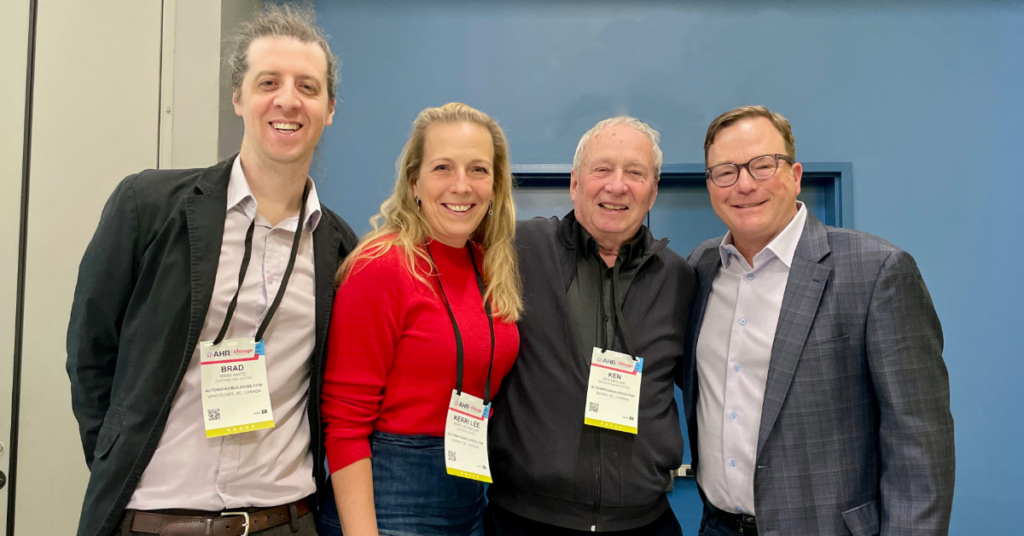
AutomatedBuildings.com Founders Jane and Ken Transition to Editorial Board at AHRExpo Chicago
What Is AutomatedBuildings.com? See this video clip summary on LinkedIn In the video, the transition is explained. Videos of each Education Session are part of
FAQ – Questions about AutomatedBuildings.com?
We answer some common questions on this page, FAQ (Frequently Asked Questions). We will keep adding and editing this FAQ page; please send your questions
Unpacking AI Anxiety: Analyzing the Recent Surge in American Concerns
The article examines the increasing concerns among Americans regarding the pervasive role of AI in their lives, as evidenced by a 2023 Pew Research Center survey showing a marked rise in apprehension. It delves into the psychological and societal factors that shape attitudes towards AI and the mechanisms that foster or alleviate anxiety.
OT Data
Operational Technology (OT) Data By Marc Petock Vice President, Chief Marketing & Communications Officer Lynxspring Data has been a cornerstone of business since the early
A Successful Niagara Summit #NS2024
Although we were unable to attend, we have been monitoring our sponsors’ activity on LinkedIn It looks like we missed a lot. Here is a
How AI vendors deal with go-to-market and support strategies.
This week, we continued discussing AI vendors working in the smart building space. David Kniepkamp, Keith Gipson, and James Lee discussed the role of data
How Technology Transforms Building Management – Maximizing Sustainability and Efficiency
Optimizing the use of resources such as water and energy in modern buildings is key to efficiently achieving Net Zero status. With the implementation of
AutomatedBuildings.com is a Repository of Dynamic Change
Why should you support and sponsor AutomatedBuildings.com? Built on a twenty-five-year-old online library, the new model of industry-generated cloud information is only days old. A
AutomatedBuildings.com Founders Jane and Ken Transition to Editorial Board at AHRExpo Chicago
What Is AutomatedBuildings.com? See this video clip summary on LinkedIn In the video, the transition is explained. Videos of each Education Session are part of
FAQ – Questions about AutomatedBuildings.com?
We answer some common questions on this page, FAQ (Frequently Asked Questions). We will keep adding and editing this FAQ page; please send your questions







































SEC’s Landmark Climate Disclosure Rule: Shaping the Future of Corporate Transparency and Sustainability
The SEC’s climate disclosure rule is a critical advancement in aligning corporate reporting with the realities of climate change. It aims to foster a more informed and proactive approach to managing climate risks in the corporate sector, potentially contributing to a more sustainable and resilient economy. However, its effectiveness will depend on the collective response of regulators, companies, investors, and other stakeholders amid ongoing legal, political, and practical challenges.

New full trade emersion education is adding diversity to tech trades
Recognizing women in tech means celebrating successes, highlighting inspiring women to provide references for the next generation, and giving these influential and impactful women a
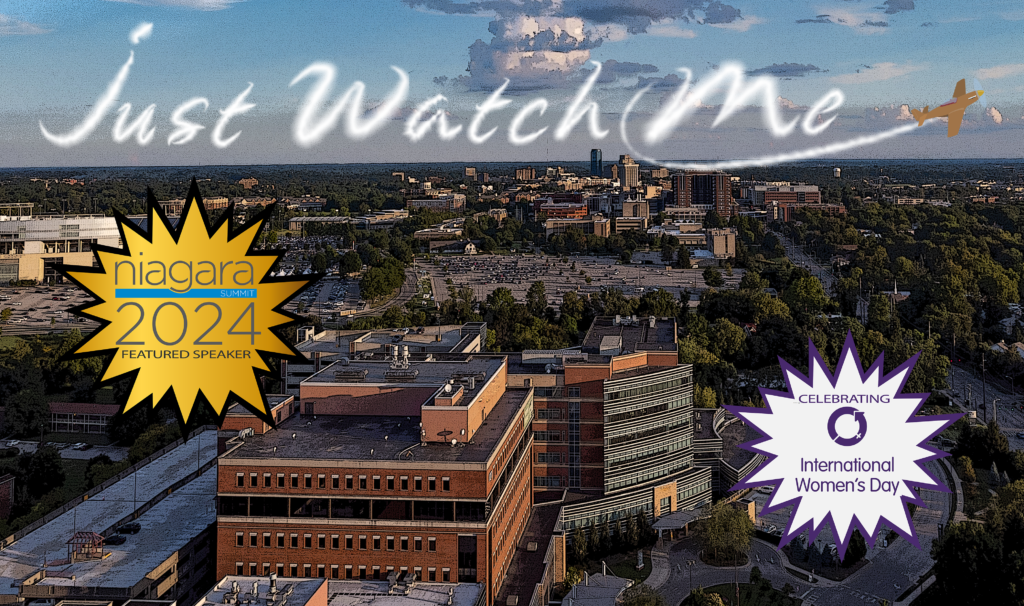
Just Watch Me
Roberta Tincher hasn’t had time for the know-it-alls and naysayers that tell her what she can’t do. Especially if they are her vendors! She has over two decades demonstrating that It can be done at the University of Kentucky—and, in so doing, pushing the building automation industry into the future.
The impact and relevance of IoT in the future of Smarter Buildings.
Monday Live! Discussion on the impact and relevance of IoT in the future of Smarter Buildings. This is part of this month’s focus on IoT

My own journey balancing professional and family responsibilities.
While I acknowledge that there’s still progress to be made in achieving women’s equality, I wanted to take a moment on this International Women’s Day
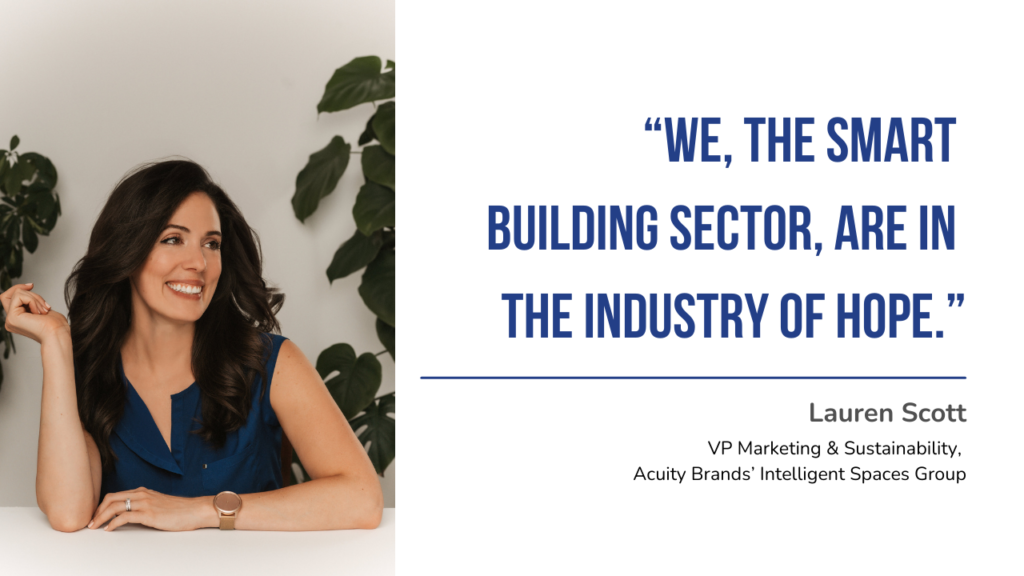
Smart Buildings: We Are in the Industry of Hope
The following is an excerpt from the “The Future of Energy Management: ESG, Decarbonization, and Electrification” panel at the 2024 AHR Expo. I have been
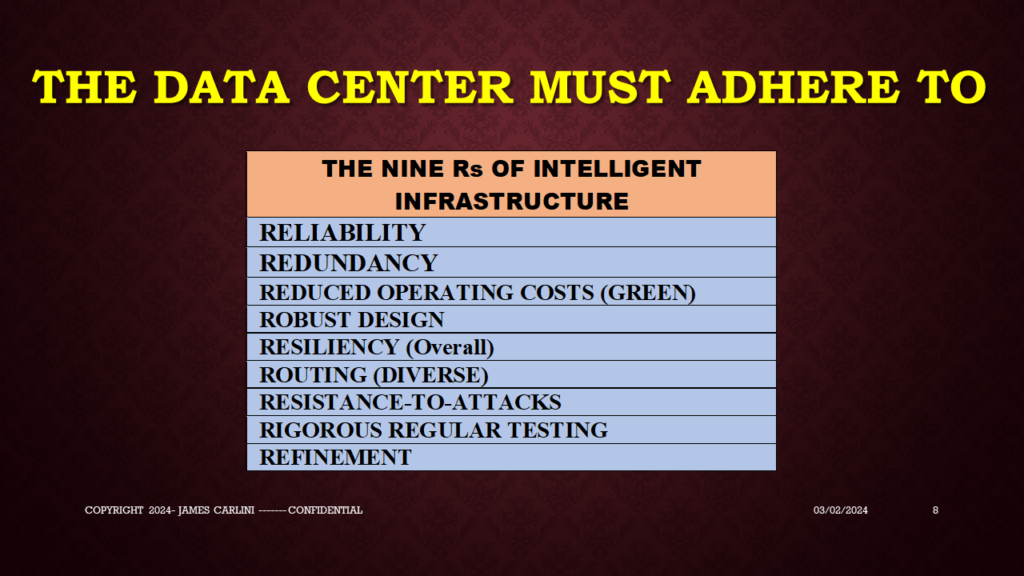
GEN AI DATA CENTERS: ARE THE REST NOW OBSOLETE?
With the new demands for Data Centers that can run Generative AI-based applications appearing in more and more areas of the market, are existing Data
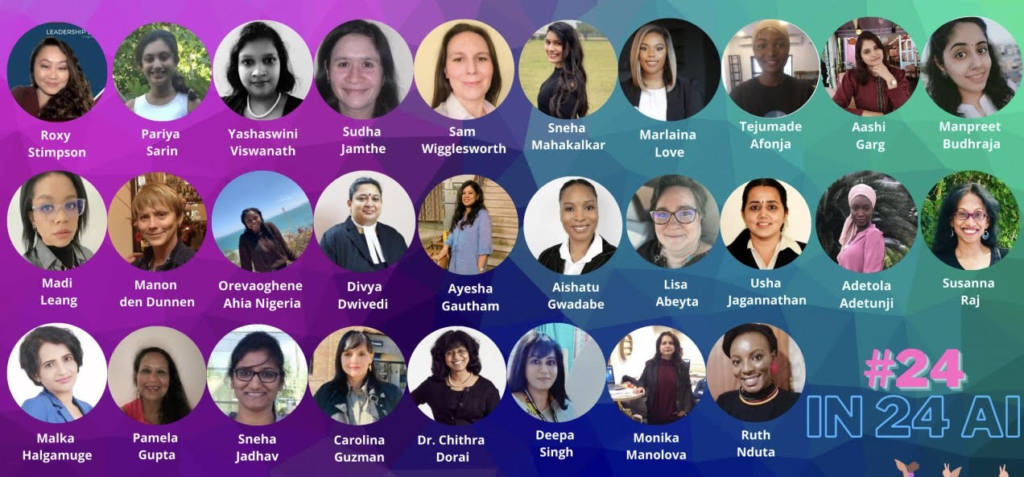
March, Women’s Month and with it comes International Women’s Day #IWD2024
I believe in a limitless world and my calling is to bring diverse set of roles into building exponential technologies such as AI and GenAI
Benefits Sponsorship AutomatedBuildings.com
We are the industry that provides the physical connection to Building Systems using operational technology, but we need to simplify our messaging. If we enter

Inspiring Inclusion
While International Women’s Day started in Europe in March 1911, we only started celebrating the day on March 8, 1977, when the United Nations officially
AutomatedBuildings.com is a Repository of Dynamic Change
Why should you support and sponsor AutomatedBuildings.com? Built on a twenty-five-year-old online library, the new model of industry-generated cloud information is only days old. A
Operational Technology in Different Building Types
Monday Live! February 26, 2024 Interesting Links Conferences and Tradeshows Add your event here… email

Introduction as new Editorial Board Chair
After a great set of panels and industry engagement at AHR in Chicago last month, I am pleased to officially embark on my role as
Using AI and CDO Together to Achieve Success
The partnership between Chief Digitalization Officers (CDOs) and Artificial Intelligence (AI) is not only advantageous, but transformative in the realm of data-driven decision-making. Find out

Apprenticeships and Mentoring in the Smart Building Industry.
Training, Apprenticeships, and Mentoring for the Smart Building Industry. Resources for sourcing new talent.

The Lexicon of Innovation: The Journey from Automated to Autonomous Buildings
I’m interested in the words we use as an industry. Words tell us a lot about our priorities, our attitudes. They’re descriptive and aspirational. Late
SEC’s Landmark Climate Disclosure Rule: Shaping the Future of Corporate Transparency and Sustainability
The SEC’s climate disclosure rule is a critical advancement in aligning corporate reporting with the realities of climate change. It aims to foster a more informed and proactive approach to managing climate risks in the corporate sector, potentially contributing to a more sustainable and resilient economy. However, its effectiveness will depend on the collective response of regulators, companies, investors, and other stakeholders amid ongoing legal, political, and practical challenges.
New full trade emersion education is adding diversity to tech trades
Recognizing women in tech means celebrating successes, highlighting inspiring women to provide references for the next generation, and giving these influential and impactful women a
Just Watch Me
Roberta Tincher hasn’t had time for the know-it-alls and naysayers that tell her what she can’t do. Especially if they are her vendors! She has over two decades demonstrating that It can be done at the University of Kentucky—and, in so doing, pushing the building automation industry into the future.
The impact and relevance of IoT in the future of Smarter Buildings.
Monday Live! Discussion on the impact and relevance of IoT in the future of Smarter Buildings. This is part of this month’s focus on IoT
My own journey balancing professional and family responsibilities.
While I acknowledge that there’s still progress to be made in achieving women’s equality, I wanted to take a moment on this International Women’s Day
Smart Buildings: We Are in the Industry of Hope
The following is an excerpt from the “The Future of Energy Management: ESG, Decarbonization, and Electrification” panel at the 2024 AHR Expo. I have been
GEN AI DATA CENTERS: ARE THE REST NOW OBSOLETE?
With the new demands for Data Centers that can run Generative AI-based applications appearing in more and more areas of the market, are existing Data
March, Women’s Month and with it comes International Women’s Day #IWD2024
I believe in a limitless world and my calling is to bring diverse set of roles into building exponential technologies such as AI and GenAI
Benefits Sponsorship AutomatedBuildings.com
We are the industry that provides the physical connection to Building Systems using operational technology, but we need to simplify our messaging. If we enter
Inspiring Inclusion
While International Women’s Day started in Europe in March 1911, we only started celebrating the day on March 8, 1977, when the United Nations officially
AutomatedBuildings.com is a Repository of Dynamic Change
Why should you support and sponsor AutomatedBuildings.com? Built on a twenty-five-year-old online library, the new model of industry-generated cloud information is only days old. A
Operational Technology in Different Building Types
Monday Live! February 26, 2024 Interesting Links Conferences and Tradeshows Add your event here… email
Introduction as new Editorial Board Chair
After a great set of panels and industry engagement at AHR in Chicago last month, I am pleased to officially embark on my role as
Using AI and CDO Together to Achieve Success
The partnership between Chief Digitalization Officers (CDOs) and Artificial Intelligence (AI) is not only advantageous, but transformative in the realm of data-driven decision-making. Find out
Apprenticeships and Mentoring in the Smart Building Industry.
Training, Apprenticeships, and Mentoring for the Smart Building Industry. Resources for sourcing new talent.
The Lexicon of Innovation: The Journey from Automated to Autonomous Buildings
I’m interested in the words we use as an industry. Words tell us a lot about our priorities, our attitudes. They’re descriptive and aspirational. Late