Editorial

Insights and comments from the editor.

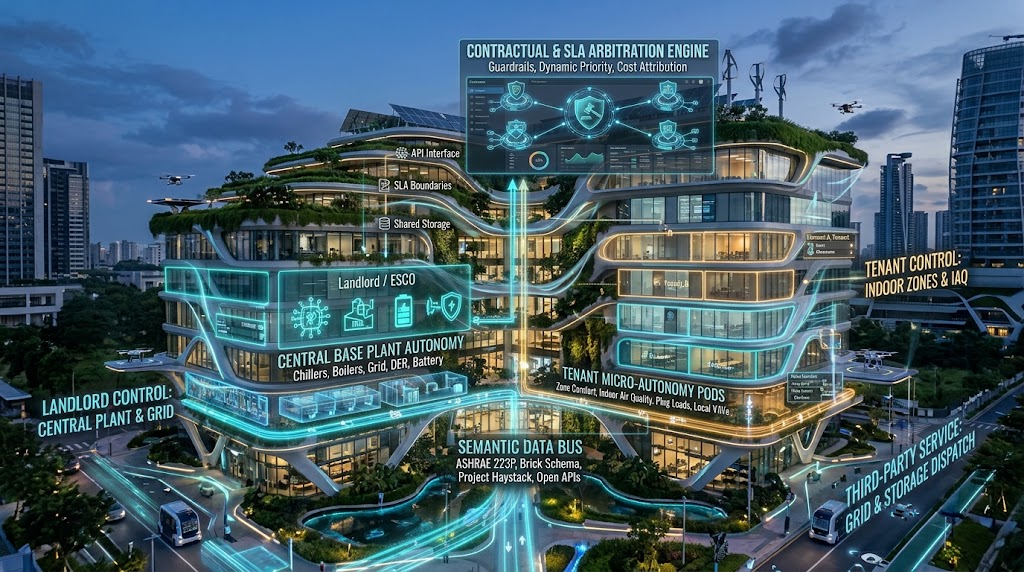
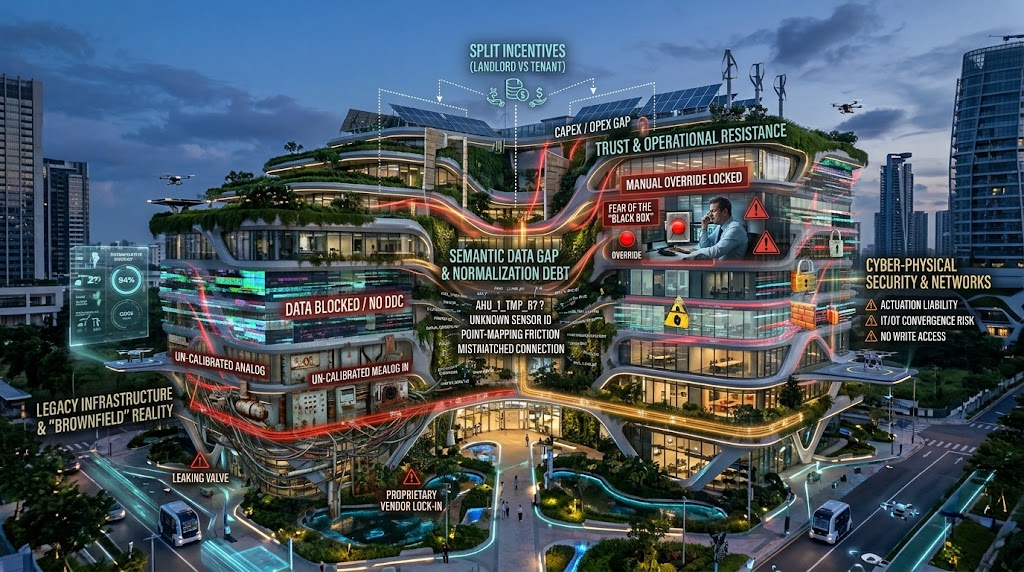
Splitting building autonomy across multiple stakeholders

Splitting building autonomy across multiple stakeholders—base building landlords, anchor tenants, retail operators, facility managers, and energy service providers—creates friction over control, data liability, and cost

Twenty-Four Children. One Air Handler. Three Conflicting Signals.

Twenty-four children occupy a classroom as indoor CO₂ rises, outdoor particulate pollution increases, and an air handler exhibits abnormal behavior. The AI proposes a ventilation adjustment. But who establishes whether that intervention is justified? TA-14 examines the missing boundary between intelligent building decisions and authorized physical execution.

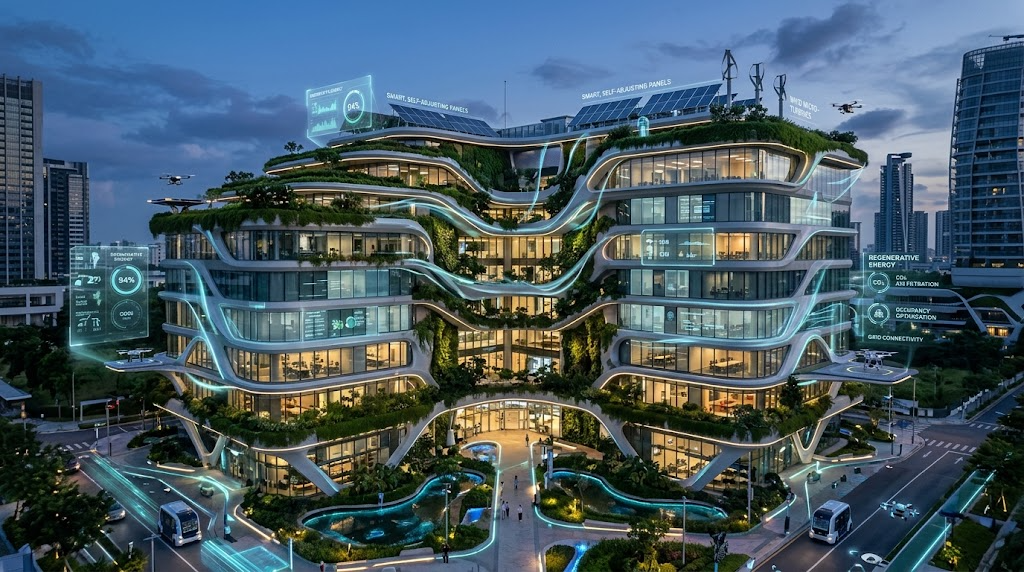
What is an Autonomous Building?

An autonomous building is a facility designed to monitor, adapt, manage, and optimize its own physical operations—such as HVAC, lighting, energy consumption, and indoor environmental

The value of simulation for education

The shift from static documentation—paper punch cards decades ago, and static PDFs, manuals, and instructional videos today—into dynamic, AI-driven simulations represents a fundamental evolution in

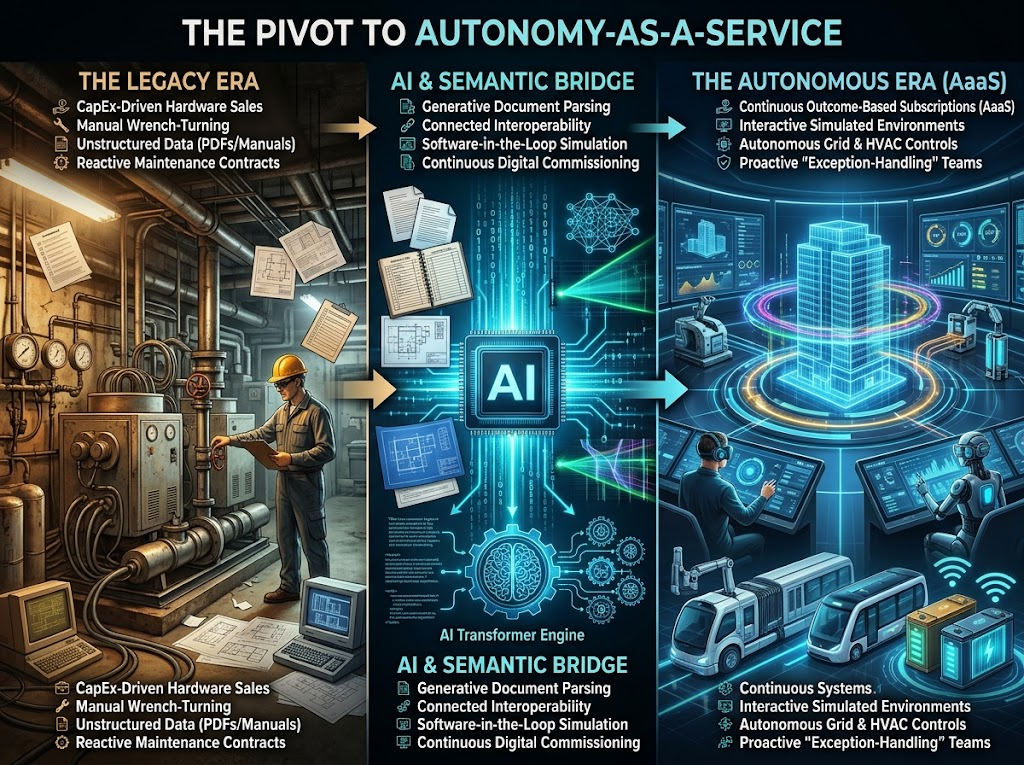
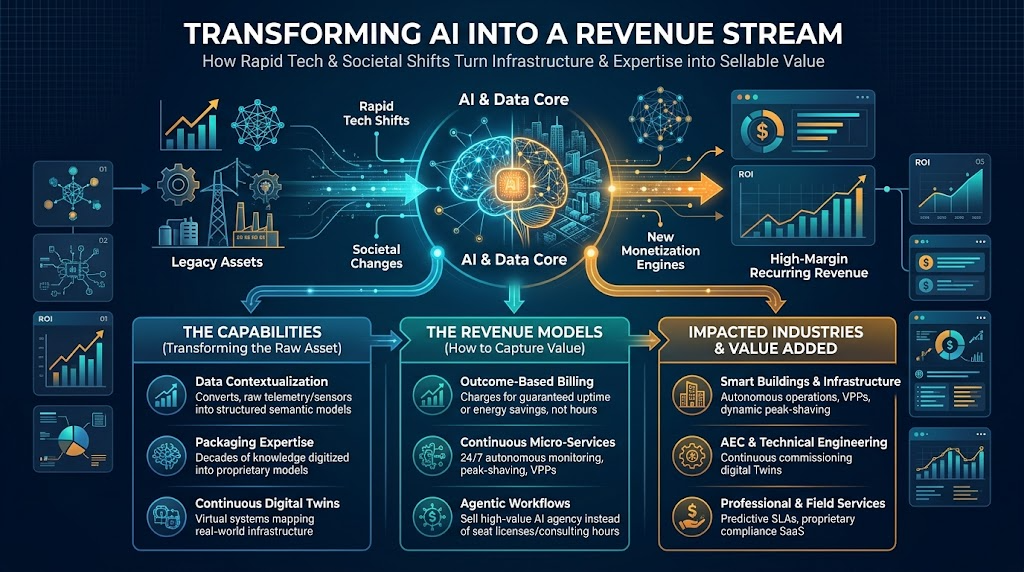
Transforming AI into a revenue stream

Conversation with Gemini Discussion: Using AI as a revenue stream. Rapidly changing technology and societal shifts are impacting various professions and infrastructure, adding sellable Value

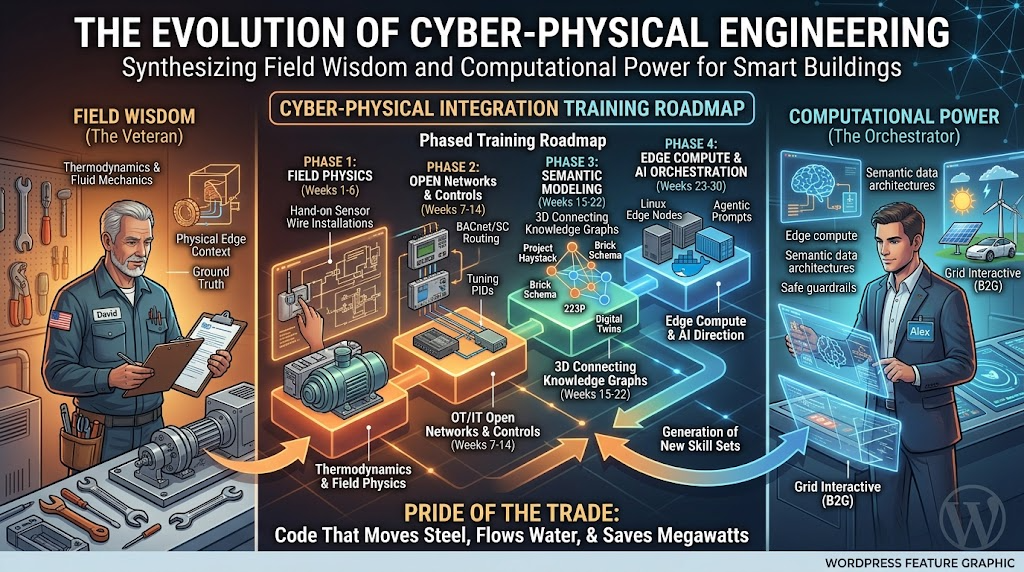
Wanted Cyber-Physical Engineers/Architects

Yesterday’s MondayLive chat featured Duncan from the UK, who explained why he was excited as a young practitioner about the industry; part of that excitement