
Summary of Monday Live Session: Are Our Buildings AI Ready?
In this week’s Monday Live session, the focus was on exploring whether our buildings are ready for AI integration. The session built on last week’s

In this week’s Monday Live session, the focus was on exploring whether our buildings are ready for AI integration. The session built on last week’s

This month, Monday Live! is delving deep into the question, “Are we AI-ready?” The discussions focus on the readiness of the smarter buildings industry to
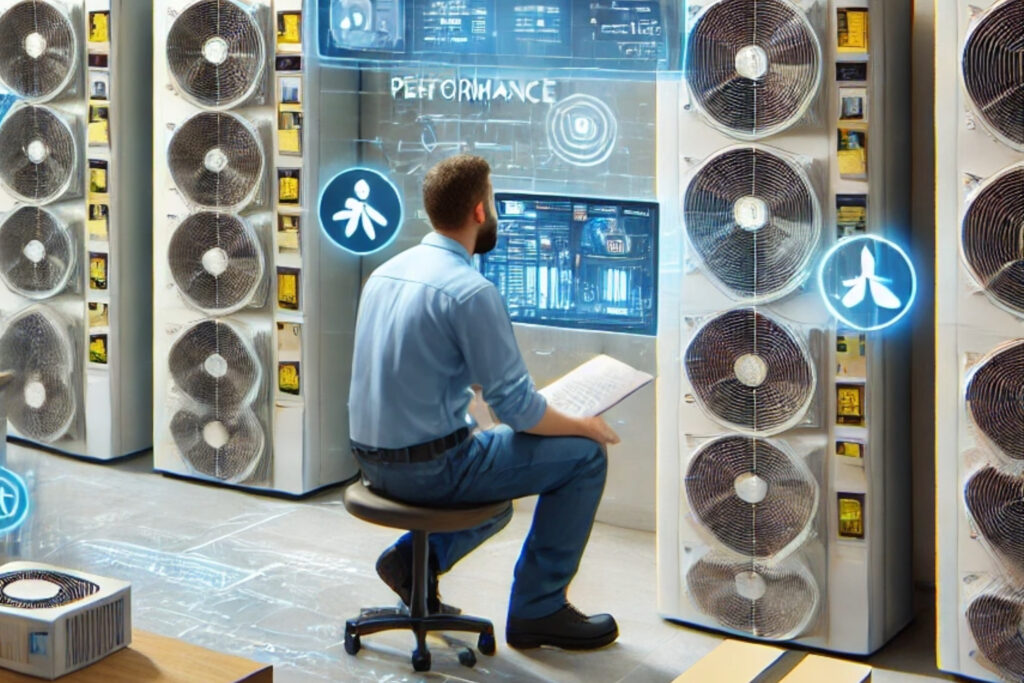
Our third education session was a popular one that brought together industry leaders to explore the complexities of integrating giant heat pumps into building automation

Here is the first TLDR summary of our education sessions at AHR Expo 2025 in Orlando . Our first session, “Scaling Up: The Next Wave
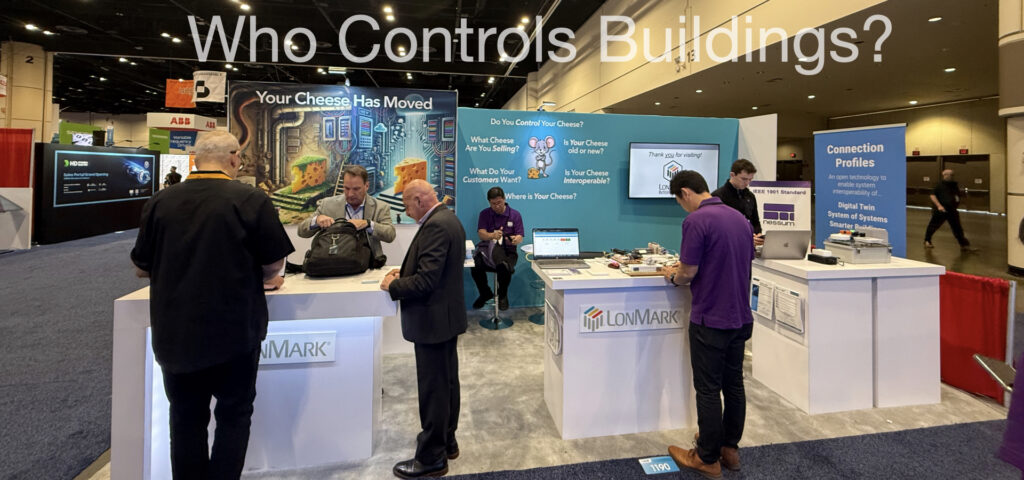
Walking into AHR Expo 2025, I had one question in mind:Who really controls our buildings? With thousands of booths, AHR is the place to see

Decarbonization is reshaping the energy management landscape, creating new opportunities and challenges for BAS professionals. From electrification and energy optimization to industry collaboration, the path to a low-carbon future is complex but full of potential. By embracing this transformation, BAS professionals can play a pivotal role in driving sustainable solutions and shaping the future of smart building design. The time to act is now—decarbonization is not just the future; it’s the present.
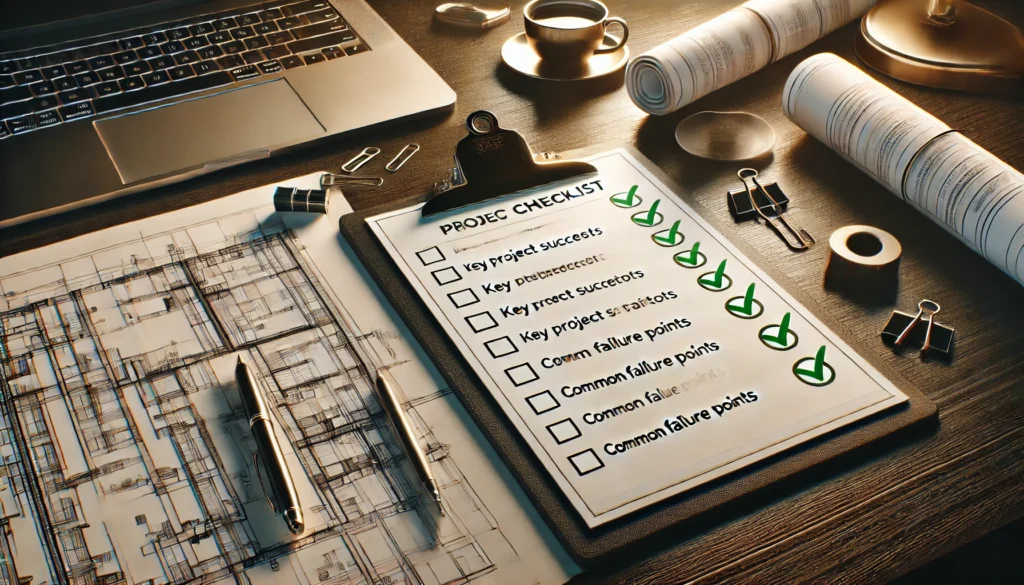
Whether you’re planning a new digital building project or struggling with your current one, it’s worth taking a step back to assess the key factors

Moving the Cheese: How to Adapt to Change in the Building Automation Industry
A discussion on the challenges and opportunities in the age of AI and open standards

The cheese is moving! We’re seeing a shift in the way the younger generation thinks. They’re no longer looking for a single-walled garden vendor to control access to content, applications, hardware, and user data. They’re all about composability and being in control of their own destiny.

Happy New Year! In the first MondayLive! session of 2025, industry veterans gathered to discuss this very issue, exploring the challenges and opportunities presented by
In this week’s Monday Live session, the focus was on exploring whether our buildings are ready for AI integration. The session built on last week’s
This month, Monday Live! is delving deep into the question, “Are we AI-ready?” The discussions focus on the readiness of the smarter buildings industry to
Our third education session was a popular one that brought together industry leaders to explore the complexities of integrating giant heat pumps into building automation
Here is the first TLDR summary of our education sessions at AHR Expo 2025 in Orlando . Our first session, “Scaling Up: The Next Wave
Walking into AHR Expo 2025, I had one question in mind:Who really controls our buildings? With thousands of booths, AHR is the place to see
Decarbonization is reshaping the energy management landscape, creating new opportunities and challenges for BAS professionals. From electrification and energy optimization to industry collaboration, the path to a low-carbon future is complex but full of potential. By embracing this transformation, BAS professionals can play a pivotal role in driving sustainable solutions and shaping the future of smart building design. The time to act is now—decarbonization is not just the future; it’s the present.
Whether you’re planning a new digital building project or struggling with your current one, it’s worth taking a step back to assess the key factors
Moving the Cheese: How to Adapt to Change in the Building Automation Industry
A discussion on the challenges and opportunities in the age of AI and open standards
The cheese is moving! We’re seeing a shift in the way the younger generation thinks. They’re no longer looking for a single-walled garden vendor to control access to content, applications, hardware, and user data. They’re all about composability and being in control of their own destiny.
Happy New Year! In the first MondayLive! session of 2025, industry veterans gathered to discuss this very issue, exploring the challenges and opportunities presented by