
How Content Gets Created at AutomatedBuildings.com
For over two decades, AutomatedBuildings.com has served as the premier library for the smart buildings industry, thanks to its community-powered content model. Unlike traditional media outlets,

For over two decades, AutomatedBuildings.com has served as the premier library for the smart buildings industry, thanks to its community-powered content model. Unlike traditional media outlets,

When we think of a “data center,” most of us picture a massive, windowless fortress in a remote location, humming with servers and protected by

Highlights from MondayLive! on June 9th: Building Smarter Cities and Industry Progress This week’s Monday Live session offered a comprehensive overview of recent advancements and

Faced with a 1,000% surge in data demand, discover how a global automaker was able to cut energy use and boost visibility across its data centers by implementing a smart facility management system. Dive into the full story and see how your operations can benefit.

The air inside a modern data center hums with a controlled and constant energy. It’s a symphony of cooling fans, spinning disks, and the quiet,

Introduction Data center colocation has become a critical component for organizations as they increasingly rely on digital infrastructure. This results in a surge of demand

LIVE from SCaLE 22x in Pasadena! Just a few weeks ago, I was at AHR/ASHRAE Expo, searching for answers on how building controls and Digital
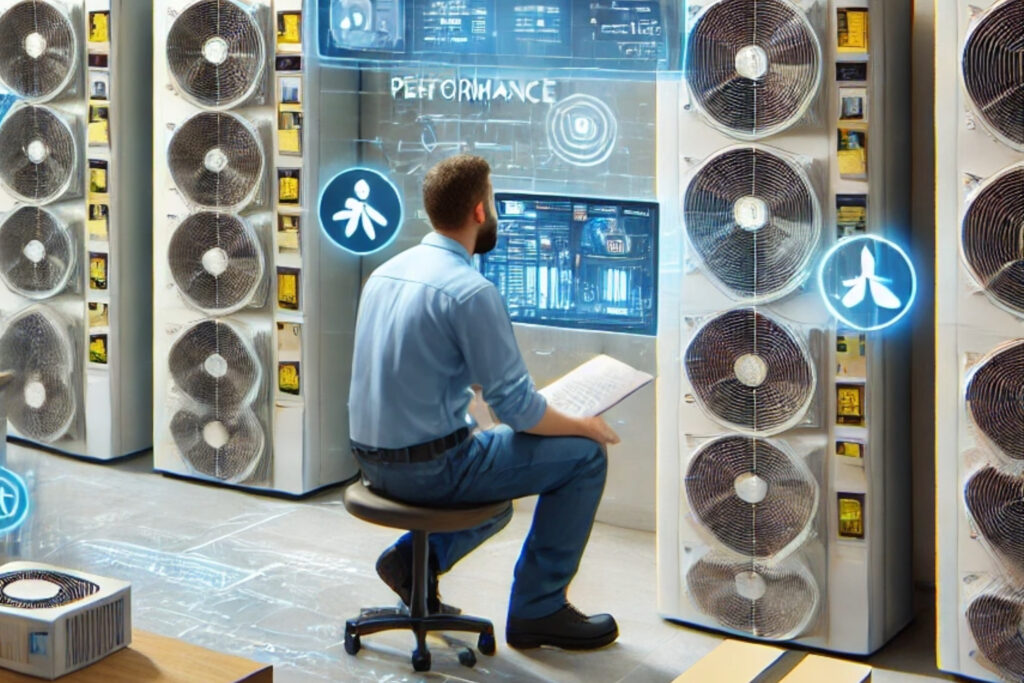
Our third education session was a popular one that brought together industry leaders to explore the complexities of integrating giant heat pumps into building automation

Moving the Cheese: How to Adapt to Change in the Building Automation Industry
A discussion on the challenges and opportunities in the age of AI and open standards
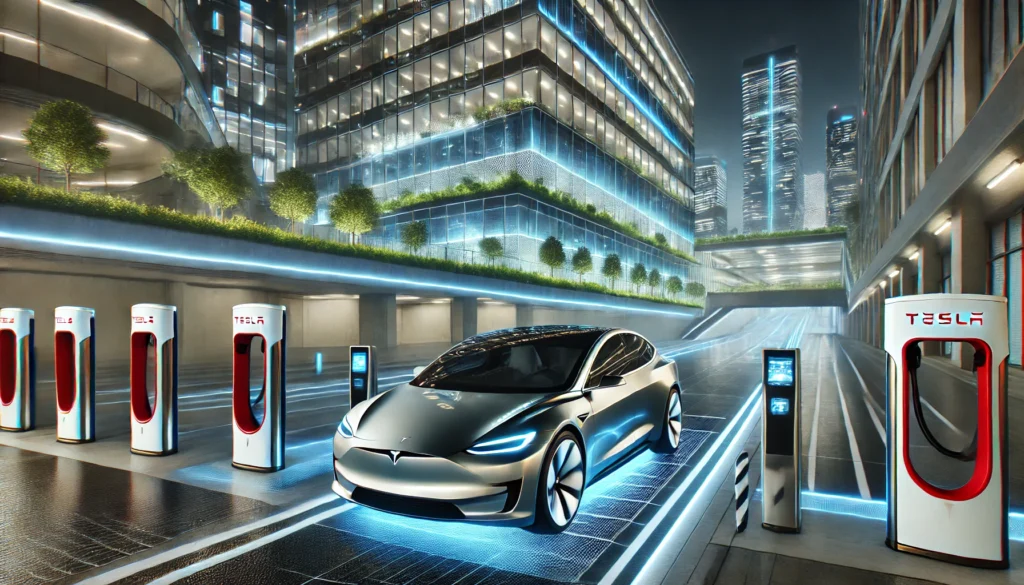
The rise of EVs is deeply influencing the design, cost, and environmental impact of smart buildings. EV integration not only requires new design considerations like charging infrastructure and energy storage systems but also offers significant benefits, such as reduced carbon emissions, enhanced energy efficiency, and cost savings over time. Additionally, as the synergy between EVs and smart buildings deepens, the future holds the promise of more sustainable, energy-efficient, and self-sufficient buildings that contribute positively to the global energy transition.
For over two decades, AutomatedBuildings.com has served as the premier library for the smart buildings industry, thanks to its community-powered content model. Unlike traditional media outlets,
When we think of a “data center,” most of us picture a massive, windowless fortress in a remote location, humming with servers and protected by
Highlights from MondayLive! on June 9th: Building Smarter Cities and Industry Progress This week’s Monday Live session offered a comprehensive overview of recent advancements and
Faced with a 1,000% surge in data demand, discover how a global automaker was able to cut energy use and boost visibility across its data centers by implementing a smart facility management system. Dive into the full story and see how your operations can benefit.
The air inside a modern data center hums with a controlled and constant energy. It’s a symphony of cooling fans, spinning disks, and the quiet,
Introduction Data center colocation has become a critical component for organizations as they increasingly rely on digital infrastructure. This results in a surge of demand
LIVE from SCaLE 22x in Pasadena! Just a few weeks ago, I was at AHR/ASHRAE Expo, searching for answers on how building controls and Digital
Our third education session was a popular one that brought together industry leaders to explore the complexities of integrating giant heat pumps into building automation
Moving the Cheese: How to Adapt to Change in the Building Automation Industry
A discussion on the challenges and opportunities in the age of AI and open standards
The rise of EVs is deeply influencing the design, cost, and environmental impact of smart buildings. EV integration not only requires new design considerations like charging infrastructure and energy storage systems but also offers significant benefits, such as reduced carbon emissions, enhanced energy efficiency, and cost savings over time. Additionally, as the synergy between EVs and smart buildings deepens, the future holds the promise of more sustainable, energy-efficient, and self-sufficient buildings that contribute positively to the global energy transition.