ASHRAE 231P “A Control Description Language” Available for Public Review
The ASHRAE proposed standard 231P project started three years ago with the intent of creating an open, interoperable, and machine readable way to exchange control

The ASHRAE proposed standard 231P project started three years ago with the intent of creating an open, interoperable, and machine readable way to exchange control
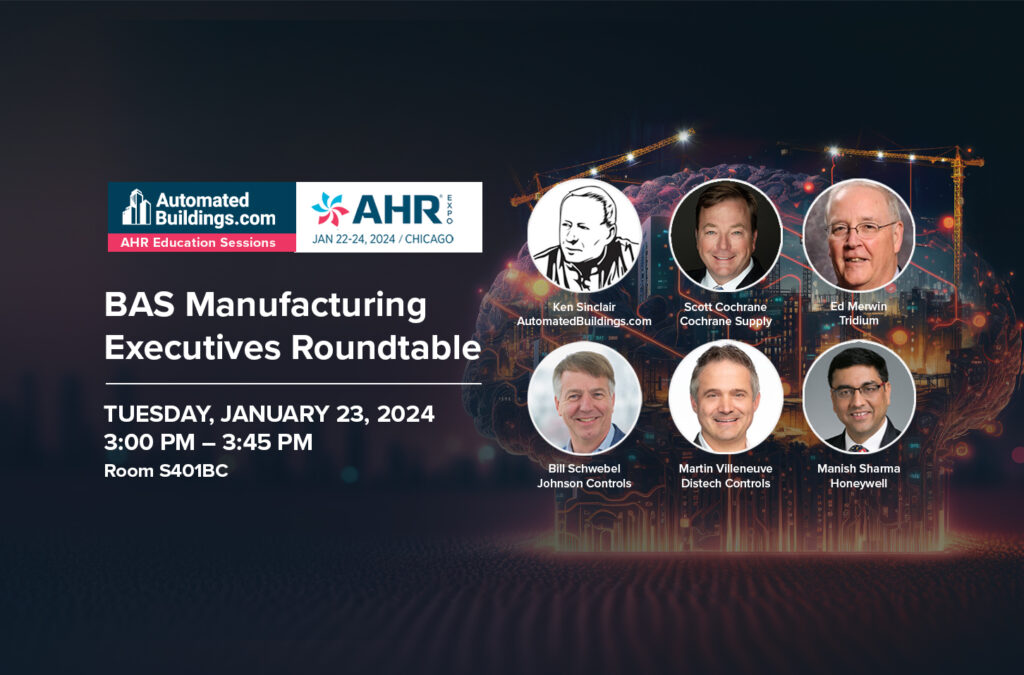
I was delighted and humbled to be included in this session of influential executives and able to share my thoughts on how Cloud-native thinking, Telcoms
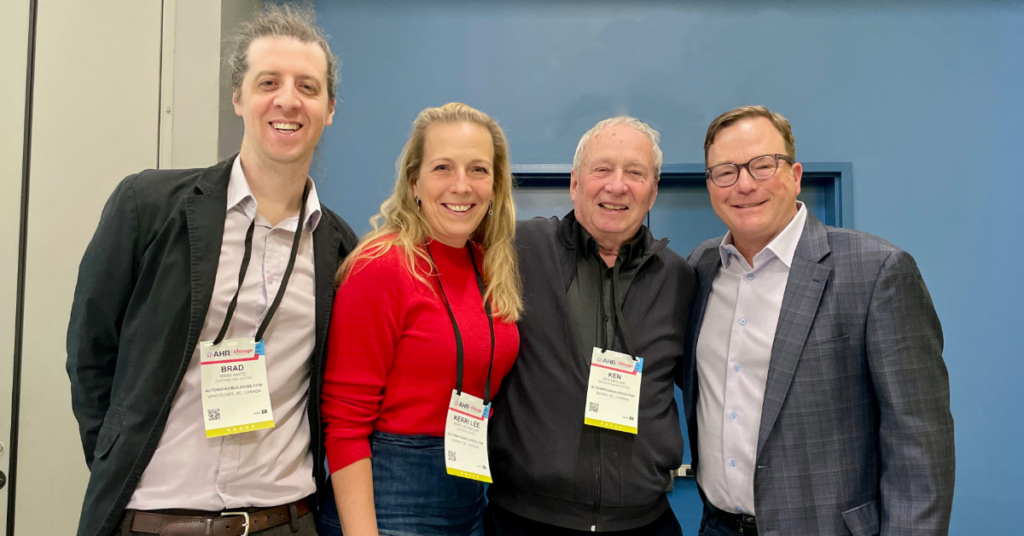
What Is AutomatedBuildings.com? See this video clip summary on LinkedIn In the video, the transition is explained. Videos of each Education Session are part of
A pre-AHR summit to explore the advancement of design, specification, procurement, and maintenance of systems for smarter buildings. Location Room N228 – McCormick Place, Chicago
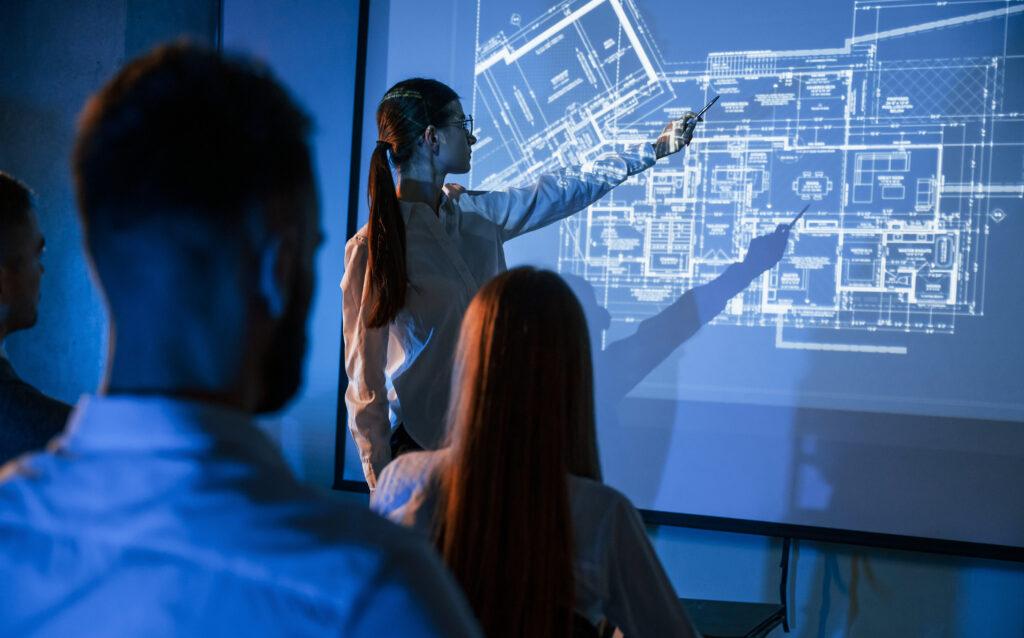
To effectively evolve facility management, three critical foundations must be addressed: People, Technology, and Assets/Equipment.
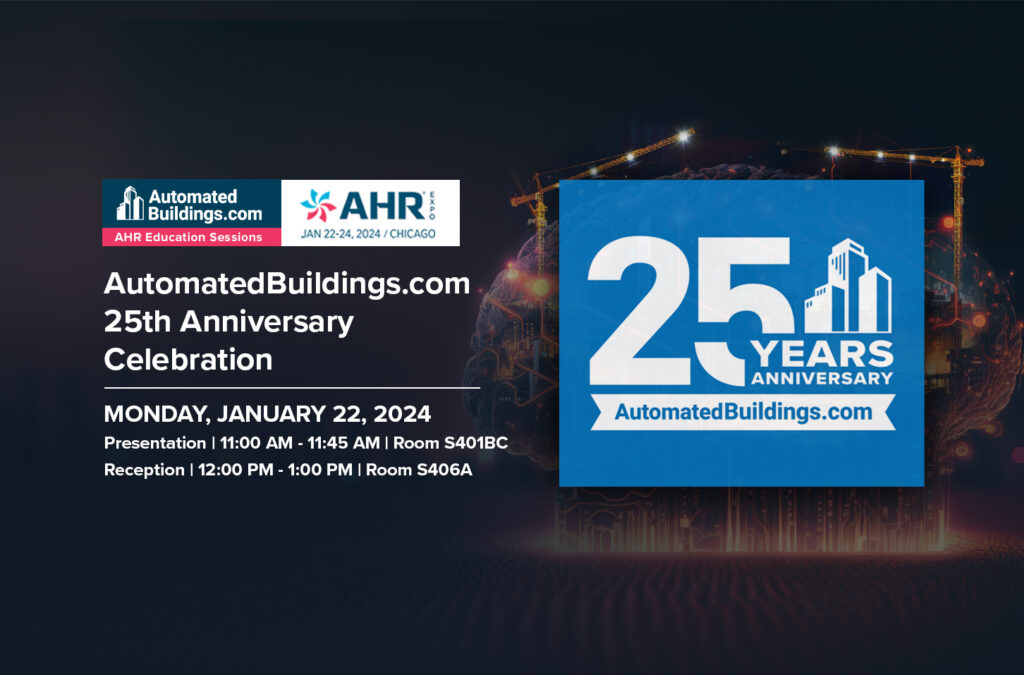
Monday, January 22, 2024
Presentation | 11:00 AM – 11:45 AM | Room S401BC
Reception | 12:00 PM – 1:00 PM | Room S406A
Great discussion by all on the agenda for the Smarter Summit. Click on the YouTube below. It starts with discussing how the Cloud-Native Era will
A pre-AHR summit to explore the advancement of design, specification, procurement, and maintenance of systems for smarter buildings. Location Room N228 – McCormick Place, Chicago
The workforce landscape has undergone a remarkable transformation over the past few decades, driven by technological advancements and shifting economic paradigms. The skills that defined
Collaboration for Innovation: This year’s booth results from a strategic cooperation between LonMark International, C4SB, OpenADR, and the Monday Live team. These four organizations share
The ASHRAE proposed standard 231P project started three years ago with the intent of creating an open, interoperable, and machine readable way to exchange control
I was delighted and humbled to be included in this session of influential executives and able to share my thoughts on how Cloud-native thinking, Telcoms
What Is AutomatedBuildings.com? See this video clip summary on LinkedIn In the video, the transition is explained. Videos of each Education Session are part of
A pre-AHR summit to explore the advancement of design, specification, procurement, and maintenance of systems for smarter buildings. Location Room N228 – McCormick Place, Chicago
To effectively evolve facility management, three critical foundations must be addressed: People, Technology, and Assets/Equipment.
Monday, January 22, 2024
Presentation | 11:00 AM – 11:45 AM | Room S401BC
Reception | 12:00 PM – 1:00 PM | Room S406A
Great discussion by all on the agenda for the Smarter Summit. Click on the YouTube below. It starts with discussing how the Cloud-Native Era will
A pre-AHR summit to explore the advancement of design, specification, procurement, and maintenance of systems for smarter buildings. Location Room N228 – McCormick Place, Chicago
The workforce landscape has undergone a remarkable transformation over the past few decades, driven by technological advancements and shifting economic paradigms. The skills that defined
Collaboration for Innovation: This year’s booth results from a strategic cooperation between LonMark International, C4SB, OpenADR, and the Monday Live team. These four organizations share